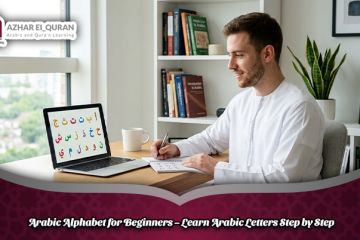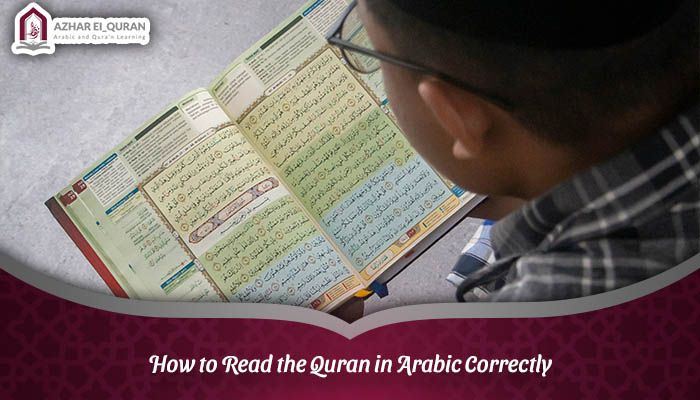
To read the Quran in Arabic correctly, begin by mastering the Arabic alphabet and letter shapes for accurate pronunciation. Focus on proper Tajweed rules to ensure correct articulation and intonation. Practice regularly with clear, mindful recitation to preserve meaning and rhythm. While writing isn't essential, understanding Classical Arabic enhances comprehension. Prioritize listening to skilled reciters and using resources that emphasize correct vowel marks (tashkeel) and elongations.
We know the first page of any spiritual journey feels both hopeful and fragile.
When we begin, the sacred text can seem distant. Small letters, new sounds, and a steady need for clarity can make us hesitate. Yet every patient step strengthens our connection and brings meaning closer.
Our approach sets a clear path. We start with the alphabet and arabic letters, join them into words, then learn recitation and Tajweed rules. This steady plan helps every muslim gain confidence without rushing.
Along the way, we use practical routines, gentle teaching, and resources from azharelquran.com, like guidance on istikhara and our online ijazah course. The goal is simple: faithful reading that honors the message and enriches daily worship.
Key Takeaways
- Begin with the alphabet and arabic letters for a strong foundation.
- Practice clear recitation and Tajweed for accurate meaning.
- Use steady reading routines to build lasting confidence.
- Azharelquran.com offers practical paths like istikhara guidance and an ijazah course.
- Small, consistent steps deepen our spiritual connection and understanding.
Our present-day guide to connecting with the divine message through accurate recitation
A careful, measured voice can turn each verse into a moment of real connection. We define correct reading as recitation that preserves meaning through proper articulation, pacing, and Tajweed. This is the way every muslim protects the text and finds depth in each line.
Confidence, understanding, and devotion grow when we focus on accurate recitation. Small sound changes can alter meaning, so precise words matter. Structured online courses offer expert guidance with step-by-step lessons in the alphabet, Tajweed, and paced practice.
We build skill by starting with short surahs and steady practice. Live sessions, modules, and checklists keep us on track week by week.
For practical application, we point learners toward our site for related guidance, including istikhara as an applied spiritual practice. This helps link careful reading with daily reflection and decisions.
What we mean by reading “correctly” and why it matters
Correct reading preserves the meaning of verses and supports sincere worship. A qualified teacher catches subtle errors we miss and corrects them in real time, which accelerates learning and deepens our connection.
Confidence, understanding, and devotion: benefits of mastering Quran Arabic
As we learn the language mechanics, the words become trustworthy acts of worship. Each step builds understanding and allows us to expand without losing clarity or intention.
Foundations first: mastering the Arabic alphabet and sounds
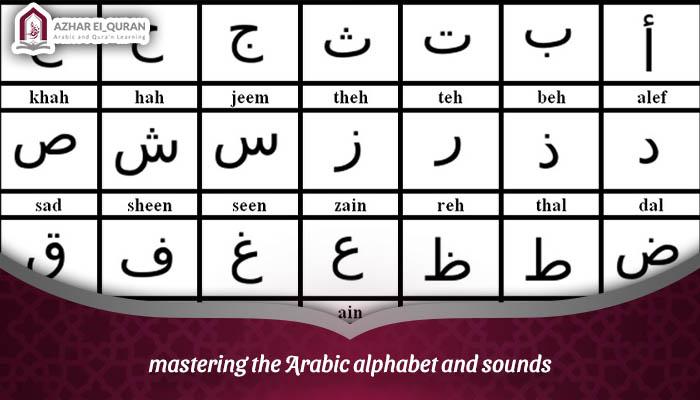
Our first step is mastering the shapes and sounds that form every meaningful phrase. We begin with the arabic alphabet and practice each mark until recognition feels natural.
Arabic letters and articulation points
We explore each alphabet character and its makhraj, training lips, tongue, and throat. This builds clear, repeatable pronunciation and prevents common mistakes.
Short vowels, long vowels (Madd), and tanween
Short vowels and Madd create syllables. Learning these signs turns letters into spoken sounds. We use simple drills so vowels feel intuitive.
Linking letters into words
Next we join letters into words and then phrases. Slow, deliberate joining improves our reading flow and sets the stage for tajweed rules.
Practical step: Daily five- to ten-minute reviews of the alphabet and key sounds keeps progress steady. We align this phase with study options at azharelquran.com, preparing learners for structured tajweed lessons and the online ijazah course.
How to read quran in arabic correctly with Tajweed
Tajweed gives our recitation structure and soul. We learn a few core rules first so progress feels steady and clear. This helps preserve the meaning verses and protects pronunciation across letters and vowels.
Core Tajweed rules: Ghunnah, Qalqalah, Idgham, Ikhfa, and elongations
Ghunnah brings nasal sounds. Qalqalah creates a light echo for certain consonants.
Idgham and Ikhfa teach merging and gentle concealment. Measured Madd (elongation) keeps length consistent.
Correcting pronunciation with easy, memorable techniques
We use mouth-position cues, short tongue drills, and stories that make each rule stick. Guided repetition across small lines builds muscle memory fast.
Listening to skilled Qaris for model recitation and rhythm
Daily ear training with renowned Qaris helps us absorb pacing, stops, and melody. Imitation of a skilled reciter speeds improvement and shapes our own recitation.
Avoiding rushed reading to protect meaning and accuracy
We slow pace to avoid skipping vowels or compressing sounds. A short checklist—articulation, elongation counts, nasalization, clear stops—lets us self-audit each page.
Next step: For guided lessons and an online ijazah course, we direct learners to azharelquran.com for certification options and expert feedback.
Practice that sticks: steps, routines, and feedback

Small, steady routines are the quickest path from learning to lasting skill. We begin with short, achievable steps and build them into a daily rhythm that fits our time and life.
"Start small, keep honest, and let patient repetition shape your recitation."
Start small with short surahs, then scale
We secure accuracy by beginning with short surahs and adding lines in careful steps. This keeps quality high as quantity grows.
Students often reach independent Juz ‘Amma reading when we follow measured increases and track common error words like missed elongations.
Daily schedule, groups, and expert feedback loops
Our routine pairs a brief warmup on letters and vowels with focused page recitation and a final listen-and-repeat with a model Qari. This pattern makes practice sustainable.
We join small recitation groups for accountability and meet weekly with a teacher for real-time feedback and guidance.
Choose courses that match your time and budget
We track practice time, log errors, and celebrate small wins. When we apply accurate reading in devotion, our connection and understanding of the message deepen.
"We found steady practice and patient feedback gave clear gains — confidence in reading and a stronger bond with the words."
Ready to learn read quran with guided support? Visit azharelquran.com for ongoing study, guidance on how to pray istikhara, and an online ijazah course when we are ready for certification.
Common pitfalls when learning to read Quran Arabic—and how we avoid them
Many learners trip on sounds that don’t exist in English; we address those gaps directly. Small pronunciation slips can shift meaning, so we make early correction normal and routine.
Mispronouncing unique Arabic sounds and letters
We drill articulation points for each letter. Short daily drills focus on problem sounds and on vowels that often get skipped.
Overlooking Tajweed rules that safeguard meaning
Missing rules changes verses. We reintroduce core rules in brief exercises and use a simple checklist: articulation, elongation, merges, and pauses.
Skipping guided feedback from qualified teachers
Errors grow without correction. We record our recitation, compare it with model audio, and seek quick feedback. This prevents plateaus and preserves meaning.
"Quick corrections are the fastest path to durable improvement."
Practical step: For expert guidance and structured pathways like the online ijazah course, we recommend visiting https://azharelquran.com/ for qualified teachers and ongoing support in our learning journey.
Your next steps with expert guidance and courses that fit your time

A clear path forward begins with expert guidance and a plan that matches our life.
We recommend flexible courses that pair one‑on‑one coaching with short daily drills. These options suit busy parents, students, and professionals. Choose a Quran Reading Basics track, then move into Tajweed and focused recitation modules as your foundation strengthens.
For sustained growth, book weekly feedback with a qualified teacher. Pair drills with ear training and a brief review of challenging verses. Visit , azharelquran.com for course details, our online ijazah pathway, and guidance on istikhara that deepens worship alongside study.
With patient instructors and steady practice, our connection and understanding of the message will grow page by page.
FAQ
What does "reading correctly" mean and why does it matter for every Muslim?
We mean reciting with accurate pronunciation, proper rhythm, and observance of Tajweed rules so the meaning stays intact. Correct recitation preserves the divine message, strengthens faith, and deepens spiritual connection.
How do we start with the Arabic alphabet and sounds?
We begin by learning each Arabic letter, its articulation point (makhraj), and basic phonemes. Short sessions focused on one letter at a time help us form solid pronunciation habits before moving to words and phrases.
Which vowels and marks should we master early on?
We focus on short vowels (fatha, kasra, damma), long vowels (madd), and tanween. Mastering these ensures clear pronunciation and prevents meaning changes when we join letters into words.
What are the essential Tajweed rules we must learn first?
We prioritize Ghunnah (nasalization), Qalqalah (echoing consonants), Idgham (merging), Ikhfa (partial concealment), and proper elongations. These rules shape correct sounds and protect meaning.
How can we improve pronunciation with simple techniques?
We use slow, repeated practice, mirror mouth positions, record ourselves, and contrast similar sounds. Short drills and clear cues from a teacher make progress steady and memorable.
Why should we listen to skilled Qaris and how often?
We model rhythm, melody, and pacing by listening to experienced reciters like Sheikh Abdul Rahman Al-Sudais or Sheikh Mishary Alafasy. Regular daily listening helps internalize correct cadence and tajweed application.
How do we avoid rushed recitation that distorts meaning?
We slow down, focus on each syllable, and pause at natural verse breaks. Practicing with a metronome or guided recitation prevents hurried delivery and preserves clarity.
What practice routine works best for steady improvement?
We start with short surahs, practice daily in 15–30 minute sessions, and gradually extend time and material. Consistency beats intensity; short, focused routines produce lasting gains.
How can group recitation and expert feedback help us progress?
Group sessions offer accountability and peer learning. Qualified teachers give corrective feedback on articulation and tajweed application, speeding up improvement and preventing bad habits.
What common pitfalls should we watch for when learning Quran Arabic?
We guard against mispronouncing unique Arabic sounds, ignoring Tajweed rules, and skipping guided feedback. These issues often lead to persistent errors and loss of intended meaning.
How do we correct mispronounced letters that are unfamiliar?
We isolate the sound, learn the exact articulation point, and practice minimal pairs. Repetition with teacher correction and audio comparisons helps us master challenging letters.
When should we move from short surahs to longer passages?
We advance when we can recite short surahs with accurate pronunciation and tajweed without hesitation. Gradual scaling ensures confidence and preserves comprehension.
What role do online courses and apps play in our learning?
We use reputable platforms for structure, exercises, and recorded feedback. Courses from established institutions and apps with certified instructors provide flexible guidance that complements teacher-led lessons.
How do we choose a qualified teacher or course that fits our time?
We look for certified instructors, clear course outlines, sample lessons, and flexible scheduling. Trial lessons and reviews help us pick a program that matches our pace and goals.
Can we learn accurate recitation without formal study?
We can make progress alone using quality resources, but guided instruction accelerates correct habit formation and prevents mistakes. Combining self-study with periodic teacher feedback yields the best results.