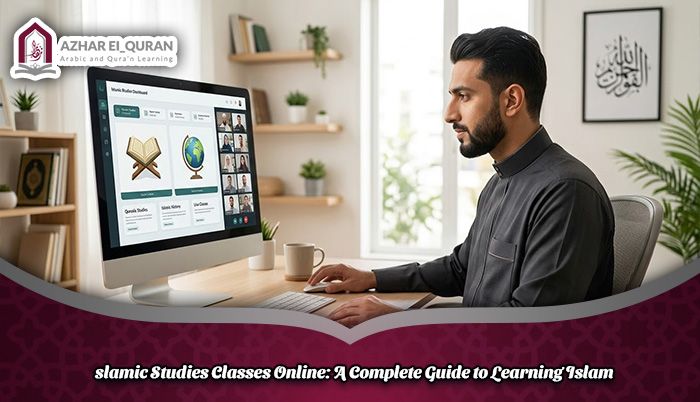
Islamic studies classes online offer flexible, accessible learning in Quranic understanding, Hadith, Fiqh, Tafsir, and Islamic history. Platforms like Azhar El-Quran Academy provide structured courses for all levels, taught by certified scholars.
Online Islamic studies classes support self-paced study, live sessions, and community engagement, making Islamic education available worldwide. Many also incorporate digital tools such as interactive apps and video lectures to enhance comprehension and retention.
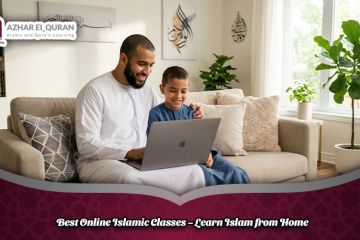
Finding reliable Islamic education can be challenging when you are balancing work, school, family responsibilities, or the demands of starting a new chapter in your faith. Islamic Studies Classes Online offer a practical way to build Islamic knowledge from home, with learning options that can suit children, adults, beginners, and new Muslims.
Whether you want your children to understand their faith, hope to strengthen your own religious knowledge, or are exploring Islam for the first time, structured lessons can help you learn step by step. Rather than trying to understand every subject at once, you can build a foundation in Islamic beliefs, worship, the Quran, Prophetic teachings, and good character.
This guide explains what online Islamic studies classes cover, how to choose an appropriate course, and what different learners should look for. It also explores how to evaluate an Islamic education provider, including Azhar El-Quran Academy, so you can make an informed decision about your learning journey.
What Are Islamic Studies Classes Online?
Islamic Studies Classes Online are structured educational lessons that help students understand Islam through subjects such as Aqeedah, the Five Pillars, Quran studies, Hadith, Fiqh, Seerah, Islamic history, and good character. Lessons may be delivered through live online sessions, group classes, or independent learning resources, depending on the provider.
Unlike a course focused exclusively on Quran recitation, general Islamic studies explores the meaning and context of religious teachings and their relationship to everyday Muslim life. Students might learn why Salah is important, how Islamic principles inform personal conduct, or how the Prophet Muhammad (peace and blessings be upon him) demonstrated honesty and compassion.
The subjects covered depend on the curriculum. An introductory programme may focus on essential beliefs and worship, while a more advanced course may explore Quranic interpretation, Hadith studies, or Islamic jurisprudence in greater depth.
Online learning can make Islamic education more accessible to families and individuals who cannot regularly attend local classes. However, convenience alone does not determine quality. A suitable course should have clear learning objectives, an organized syllabus, an appropriate teacher, and a method for reviewing progress.
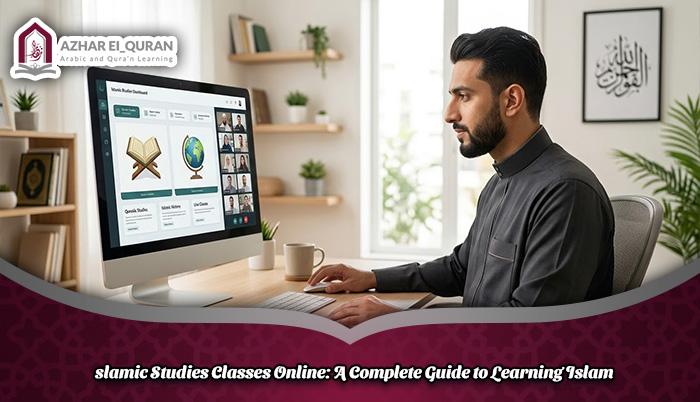
What Do You Learn in an Online Islamic Studies Course?
A well-structured online Islamic studies course introduces connected subjects in a logical sequence. Students can build foundational knowledge before moving into more detailed discussions.
Islamic Beliefs and Aqeedah
Aqeedah refers to Islamic creed and foundational beliefs. Introductory lessons commonly explore Tawheed, the oneness of Allah, and the Six Articles of Faith: belief in Allah, His angels, His revealed books, His messengers, the Last Day, and divine decree.
Students learn key terminology and explore the significance of these beliefs within Islam. Beginners should receive clear explanations without being expected to understand every theological discussion immediately.
A good course also distinguishes essential teachings from questions that require deeper scholarly study. When differences of interpretation arise, the teacher should explain them fairly rather than suggesting that every detailed issue has one universally accepted explanation.
The Five Pillars of Islam and Daily Worship
The Five Pillars are the Shahadah, Salah, Zakah, fasting during Ramadan, and Hajj. Lessons introduce their significance and explain how they relate to Muslim religious life.
Practical instruction may cover prayer preparation, Wudu, the basic structure of Salah, and commonly recited words. Students can also learn about fasting, charitable obligations, and the purpose of pilgrimage.
For example, a beginner's lesson on Wudu could explain the purpose of ritual purification, demonstrate the relevant steps according to the course's teaching approach, and identify questions that may require more specific guidance. Students should have an opportunity to ask about their circumstances rather than simply memorize information.
Details of worship can differ among recognized schools of Islamic jurisprudence. Teachers should identify the approach being taught and explain relevant differences when appropriate.
Quran Studies, Hadith, Sunnah, and Seerah
Quran studies help learners explore the central scripture of Islam. Depending on the programme, students may study selected verses, read translations of their meanings, and receive introductory explanations of their context and lessons.
Hadith are reports concerning the Prophet Muhammad's words, actions, and approvals. The Sunnah refers to his example and way, studied to understand Islamic teachings and practice. Students should learn to check the sources of quotations instead of relying on religious statements circulated online without references.
Seerah explores the life of the Prophet Muhammad (peace and blessings be upon him), including significant events, his character, and the early Muslim community. Islamic history provides additional context for understanding the development of Muslim societies.
These subjects complement one another, but they require careful teaching. Quranic interpretation, hadith authenticity, and historical accounts should be presented with suitable references and appropriate scholarly context.
Fiqh, Islamic Manners, and Everyday Life
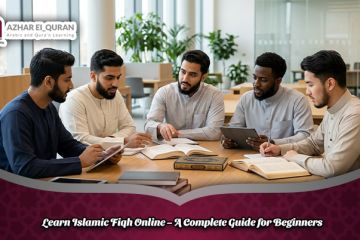
Fiqh is Islamic jurisprudence: the scholarly understanding of practical religious rulings. Introductory lessons may address purification, prayer, fiqh of fasting, and other questions related to everyday worship.
A course may also cover Akhlaq and Adab, which concern good character and appropriate conduct. Topics can include honesty, kindness, fulfilling promises, respecting others, and treating neighbours fairly.
Practical examples help students connect these principles to real situations. A child might discuss how to respond honestly after making a mistake at school. An adult might explore how Islamic ethical principles apply to family responsibilities or workplace relationships.
Teachers should distinguish general educational explanations from individualized religious advice. When a question involves a complex personal circumstance or falls outside the instructor's expertise, referral to an appropriately qualified scholar is a sensible safeguard.
Who Can Benefit from Online Islamic Studies?
Online Islamic education can support learners at different ages and stages of knowledge. The most suitable course depends on the student's goals, background, and preferred pace.
Islamic Studies Classes Online for Children
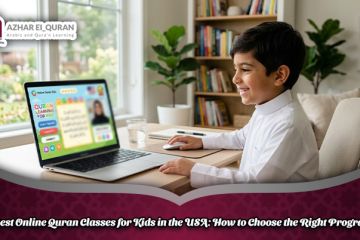
Islamic studies for kids online can introduce children to foundational beliefs, worship, Prophetic stories, and good manners in an age-appropriate way. Lessons should encourage understanding rather than rely entirely on memorization.
Young learners might begin with the Five Pillars, simple Duas, stories from the Seerah, and practical examples of kindness and honesty. Demonstrations can help introduce Wudu and Salah, while short activities and review questions make lessons more interactive.
Parents should evaluate the teacher's experience with children, the curriculum's suitability for the child's age, and the way progress is communicated. Ask whether lessons include interaction, how online safety is handled, and whether parents receive feedback.
For families in the USA, UK, Canada, and Australia, scheduling also matters. Classes should fit around school, extracurricular activities, and family commitments without making the child's learning routine unnecessarily demanding.
Parents can reinforce lessons through brief conversations at home. Asking a child to explain one idea learned in class may be more useful than expecting them to remember an entire lesson word for word.
Islamic Studies Classes Online for Adults
Adults may want to strengthen their understanding of essential beliefs, revisit practical worship, or explore subjects such as Tafseer, Hadith, Seerah, and Islamic history in greater depth.
A suitable course should recognize that adults have different levels of prior knowledge. Someone returning to structured Islamic education may need a foundational programme, while a learner with more experience may prefer lessons focused on a particular subject.
Working adults often benefit from a realistic weekly routine. Set aside time for lessons, review a few key points afterward, and keep a list of questions for the next session. Consistency is generally more manageable than attempting to cover too many subjects at once.
Adults who are also raising children may find that improving their own knowledge supports family discussions. Nevertheless, the course should serve the adult's individual goals rather than assume every learner has the same needs.
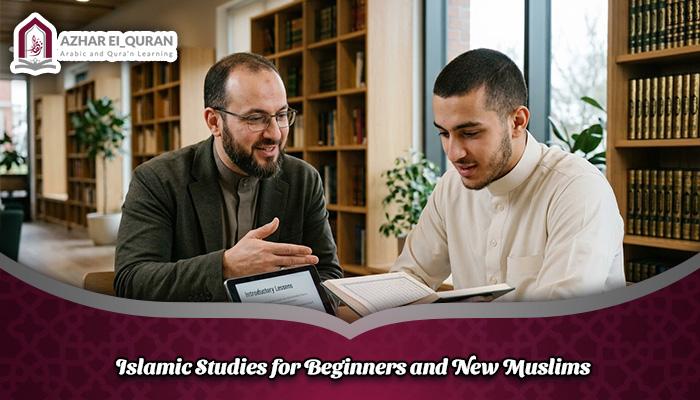
Islamic Studies for Beginners and New Muslims
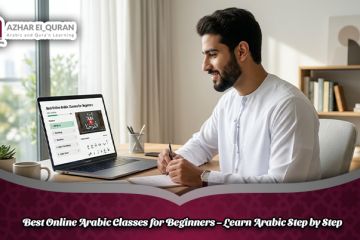
Beginners and new Muslims can learn Islam online without needing to understand every subject before starting. A supportive programme should explain unfamiliar terminology, welcome questions, and introduce essential concepts gradually.
A sensible starting sequence is to study foundational beliefs, understand the meaning of the Shahadah, and learn about essential acts of worship such as Salah and Wudu. Students can then progress into Quranic teachings, the Sunnah, Seerah, and other subjects according to their needs.
New Muslims may also appreciate guidance on everyday questions and opportunities to find supportive Muslim communities. A teacher should treat these questions respectfully and avoid overwhelming students with unnecessary detail.
When religious questions become complex, learners should have access to appropriately qualified guidance. A good educational environment makes it clear that asking for clarification is part of learning, not a reason for embarrassment.
How Do Islamic Studies Classes Online Work?
Online Islamic studies programmes may use live individual lessons, group sessions, or self-paced materials. Each format has advantages, and the best choice depends on the learner's circumstances.
Individual lessons may offer more opportunities to ask questions and receive instruction tailored to a student's level. They can suit learners who need additional explanation or prefer a more personalized pace.
Group classes can provide shared discussion and interaction with other students. They may suit learners who enjoy collaborative learning, provided the group size and teaching approach allow meaningful participation.
Self-paced resources offer flexibility for reviewing lessons around work, school, and family commitments. However, students should check whether they can ask questions or receive feedback when a concept is unclear.
Before enrolling, confirm the lesson length, frequency, learning platform, teaching language, available materials, and method of reviewing progress. Ask whether missed lessons can be rescheduled and whether any additional resources incur a fee.
A useful lesson should have a clear objective. For example, a class about the Five Pillars might introduce their names, explain their significance, invite questions, and finish with a short review. Students should understand what they studied and what comes next.
How to Choose the Right Online Islamic Studies Course
Choosing a course involves more than comparing advertisements. Review the curriculum, teaching approach, instructor's background, schedule, cost, and suitability for the intended learner.
Check the Curriculum and Learning Outcomes
Ask for a syllabus that shows the topics covered at each level. Find out whether the course includes Aqeedah, worship, Quran studies, Hadith, Fiqh, Seerah, or other subjects relevant to your goals.
Check what students should understand by the end of the programme and how lessons build on earlier material. A provider should be able to explain its learning approach in clear terms.
Evaluate Teacher Qualifications and Teaching Experience
Look for relevant Islamic education, subject knowledge, and teaching experience. For children's classes, experience working with younger learners is especially important. Beginners may benefit from instructors who can explain unfamiliar terms without assuming prior knowledge.
Ask how the teacher uses religious sources, handles differences of opinion, and responds when a question falls outside their expertise. Do not rely solely on promotional labels such as “expert” or “qualified”; request relevant information about the instructor who would teach your class.
Compare Class Formats, Scheduling, and Costs
Compare individual lessons, group sessions, and self-paced options. Consider the level of interaction you need, the time available each week, and the learner's ability to study independently.
Confirm current fees, payment arrangements, lesson frequency, cancellation policies, and any additional costs for learning materials or assessments. If a trial lesson or certificate is advertised, check its terms and what it actually includes.
Use a Practical Enrolment Checklist
Before making a decision, ask:
-
Does the curriculum match my learning goals and current level?
-
Who will teach the course, and what relevant education and experience do they have?
-
How are religious sources and scholarly differences handled?
-
Can I ask questions and receive feedback?
-
What schedule, lesson format, and total cost should I expect?
-
How is progress reviewed, and what happens if I need to change my plan?
Comparing answers to these questions makes it easier to choose a programme based on suitability rather than promotional language alone.
How Much Do Islamic Studies Classes Online Cost?
The cost of Islamic studies classes online depends on the provider, lesson format, session length, frequency, and level of instruction. Individual tuition and group programmes may have different pricing structures, so compare the total cost alongside the amount of teaching and support included.
Before enrolling, confirm whether fees are charged per lesson, per month, or through a course package. Ask about payment terms, missed lessons, cancellation rules, and additional charges. If a provider offers a trial lesson, clarify whether it is free and whether any conditions apply.
Learners in the USA, UK, Canada, and Australia should also confirm the currency and payment arrangements. A clearly explained fee structure makes it easier to plan a sustainable learning routine.
The lowest price is not necessarily the best fit. Consider whether the curriculum, teacher, lesson format, and available support meet your needs and provide a reasonable learning experience.
Why Consider Azhar El-Quran Academy for Online Islamic Education?
Azhar El-Quran Academy is one option to explore if you are looking for online Islamic education alongside Quran and Arabic learning. Its published website describes an Islamic Studies course covering subjects including Aqeedah, Hadith, Fiqh, Tafseer, Duas, and Seerah.
The academy's public course information also describes instructors with Al-Azhar University backgrounds, Arabic and English language ability, flexible scheduling, and progress reports. Prospective students should confirm the instructor's relevant qualifications and the current availability of these features for their chosen programme directly with the academy.
Start by comparing the published curriculum with your learning goals. Parents should ask about age-appropriate teaching and progress communication. Adults and beginners should confirm that the course matches their current knowledge and allows time for questions.
Before enrolling, request details about the teacher, lesson format, timetable, fees, and any introductory lesson. A clear discussion of these points can help you determine whether the programme is appropriate for you or your family.
The aim is not simply to find an online class, but to choose a learning environment that supports steady progress, explains religious material responsibly, and fits your circumstances.
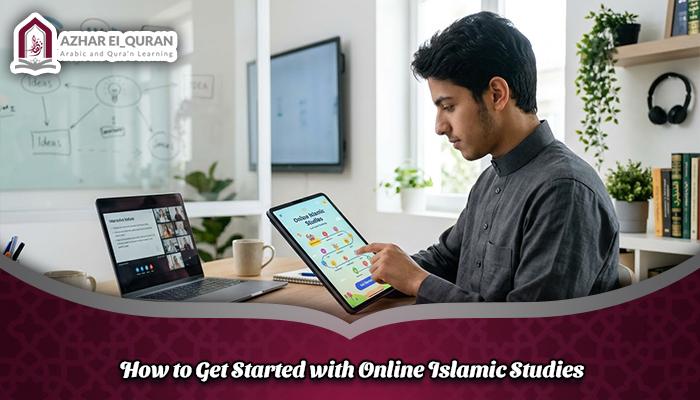
A simple learning plan can help you organize Islamic studies without taking on more than you can manage.
Begin by identifying your current knowledge, immediate goals, and available study time. If you are new to structured learning, start with foundational beliefs and essential worship. As your understanding develops, consider Quran studies, Hadith, Seerah, Fiqh, or another subject relevant to your interests.
A realistic weekly routine might include one scheduled lesson, a short review of your notes, and time to prepare questions. For children, parents can reinforce a lesson with a brief discussion. Adults can keep a learning journal to record key concepts and areas that need clarification.
Review your progress periodically. Ask yourself what you understand more clearly, which questions remain unanswered, and whether the course is still suitable for your goals.
Quran reading, Tajweed, memorization, and Arabic can complement Islamic studies, but they are distinct learning pathways rather than compulsory prerequisites for every programme. Add them according to your interests, current level, and available time.
Most importantly, choose a pace you can sustain. Structured learning should help you build understanding progressively rather than create pressure to master every subject at once.
Frequently Asked Questions About Islamic Studies Classes Online
What are Islamic Studies Classes Online?
They are structured online lessons covering subjects such as Islamic beliefs, worship, Quran studies, Hadith, Fiqh, Seerah, Islamic history, and good character. The exact subjects and depth depend on the provider's curriculum.
Can beginners learn Islam online without prior knowledge?
Yes. Beginners can start with foundational beliefs, basic Islamic terminology, and essential worship. A suitable programme introduces topics gradually and gives learners opportunities to ask questions.
Are online Islamic studies classes suitable for children and adults?
Yes. Many providers offer programmes for different ages and knowledge levels. Check the curriculum, teaching style, eligibility requirements, and lesson format before enrolling.
Can new Muslims and reverts join online Islamic classes?
Yes. A beginner-friendly course can introduce essential beliefs, worship, Quranic teachings, and Islamic manners in an accessible way. Supportive instruction should allow learners to progress at a manageable pace.
What subjects are covered in an online Islamic studies course?
Common subjects include Aqeedah, the Five Pillars, Quran studies, Hadith, Sunnah, Fiqh, Seerah, Islamic history, and good character. Not every programme covers every subject.
How do I choose a qualified Islamic studies teacher?
Review the instructor's relevant Islamic education, subject expertise, and teaching experience. Ask how religious sources are used, how scholarly differences are explained, and how questions beyond the teacher's expertise are handled.
How much do online Islamic studies classes cost?
Costs vary by provider, teaching format, session length, and frequency. Confirm current fees, payment terms, cancellation policies, and any additional charges directly with the academy.
Can I study Islamic studies alongside Quran and Arabic classes?
Yes. Quran reading, Tajweed, memorization, and Arabic can complement Islamic studies. Choose a combination that matches your goals and schedule without taking on more lessons than you can manage.
Start Your Islamic Learning Journey with Confidence
Islamic Studies Classes Online can help children, adults, beginners, and new Muslims develop a clearer understanding of Islamic beliefs, worship, scripture, Prophetic teachings, and character. The right course should match your knowledge, goals, schedule, and preferred teaching style while providing responsible instruction and opportunities to ask questions.
Review the curriculum, evaluate the teacher's relevant qualifications, compare the practical details, and confirm the course's suitability before enrolling.
If you are exploring online Islamic education, visit Azhar El-Quran Academy's Islamic Studies course page to review the published programme and ask about the options currently available. Confirm the teaching arrangements, fees, schedule, and any trial-lesson offer before making your decision.
Take the first step towards a more structured learning routine by choosing a programme that supports your needs and helps you develop your Islamic knowledge steadily.